
Our next-Generation Plaster: The Science Behind Our Second Skin Protection Hydrocolloid Plasters

5 min. read
Show More

Advanced Hydrocolloid Technology
for everyday wounds

What is hydrocolloid technology?


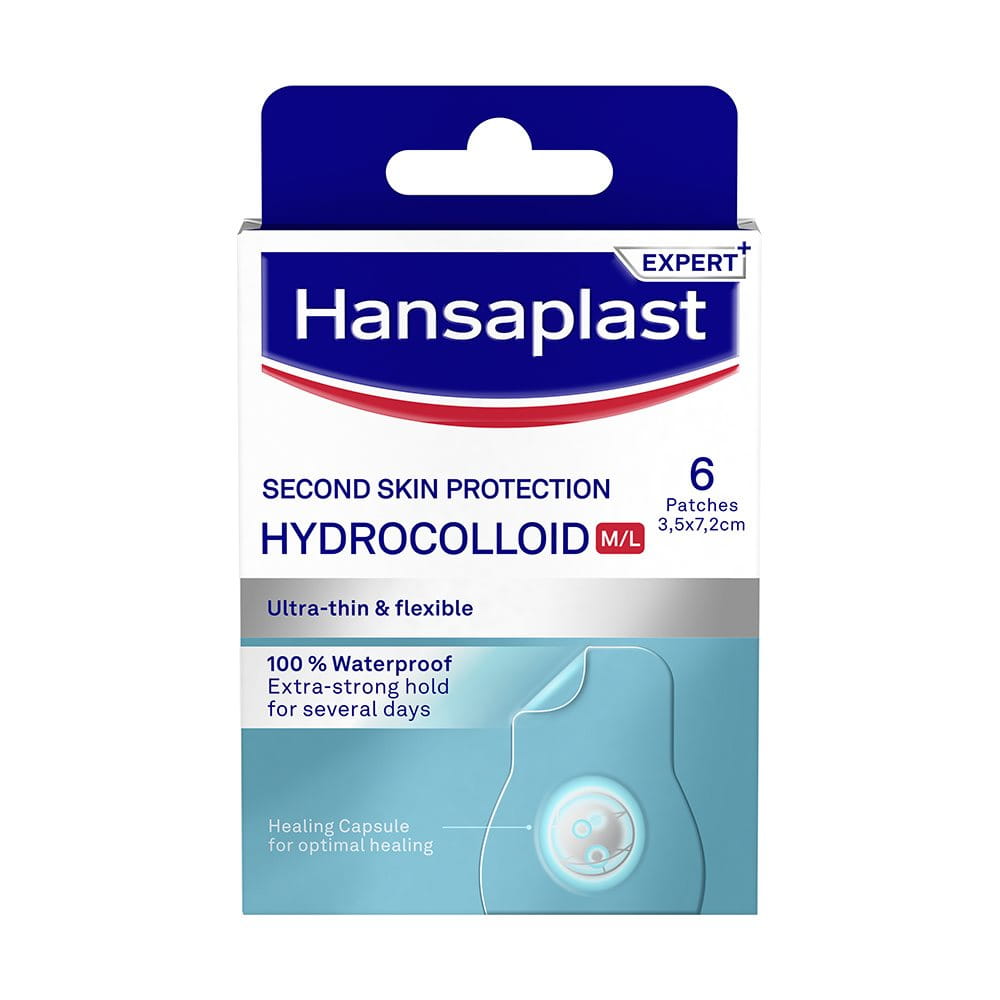
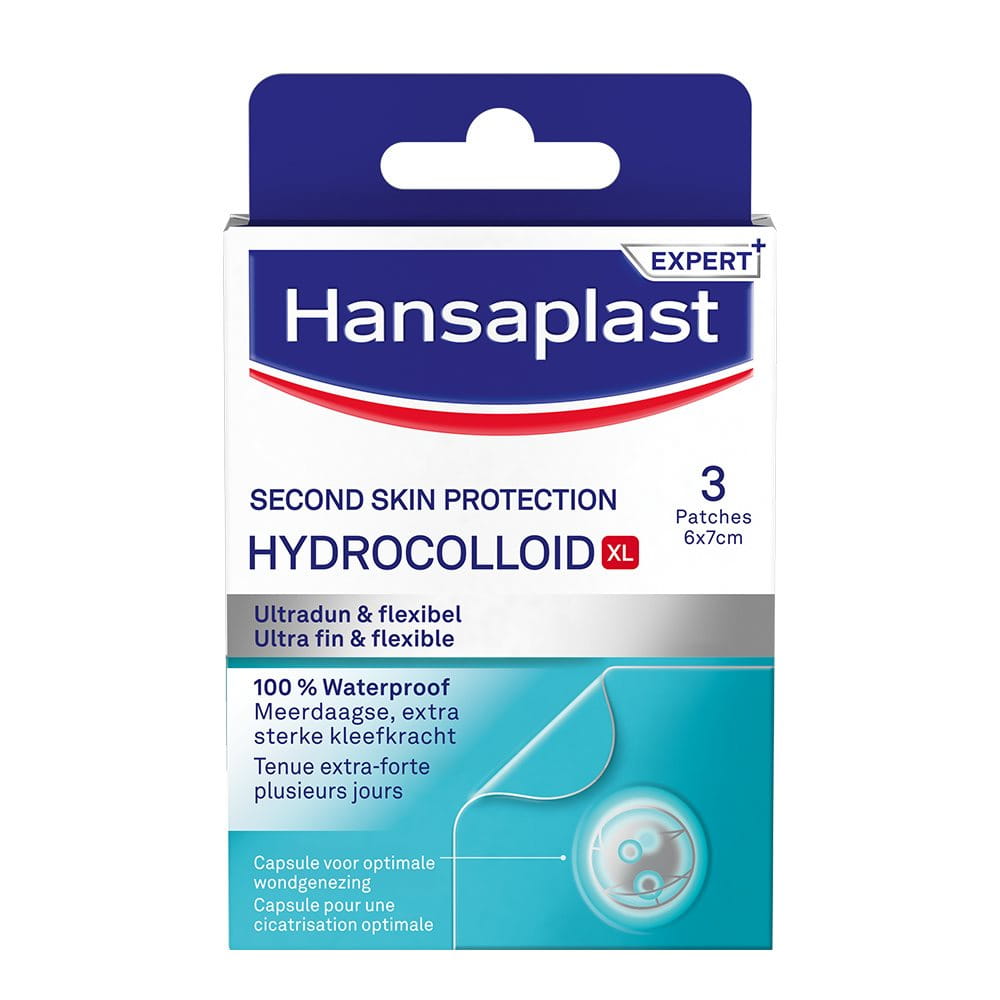
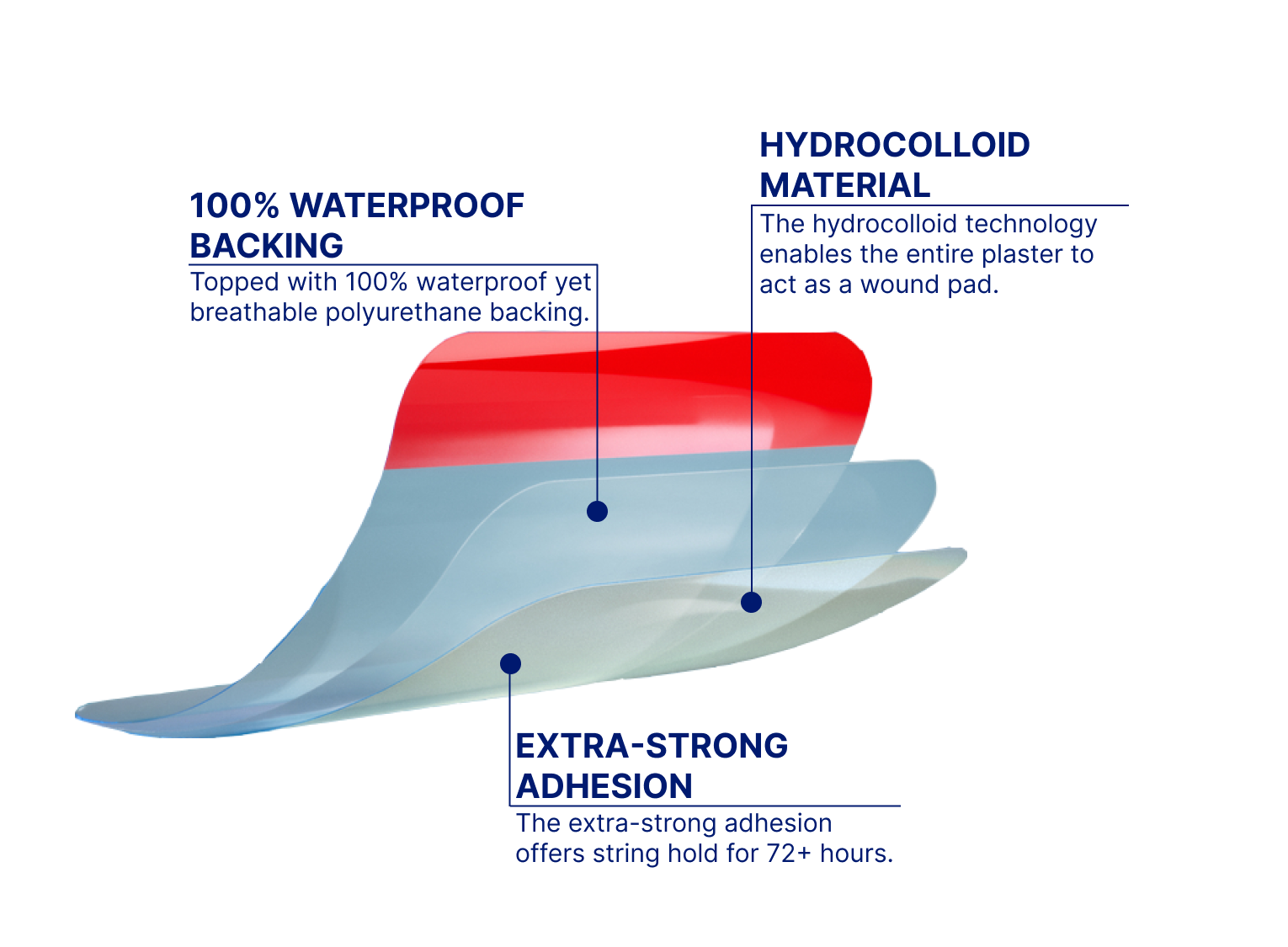
The Hansaplast Healing Capsule Technology – also known as hydrocolloid technology – uses moisture-absorbing materials that form a gel when in contact with fluids. In Hansaplast’s Hydrocolloid plaster these hydrocolloid particles are dispersed in the adhesive mass and form a whitish bubble when applied to the wound  the healing capsule. It cushions and protects the wound while creating a moist environment to support fast healing. The plaster is also very thin, making it particularly flexible.


How is the hydrocolloid plaster composed?

The composition of hydrocolloid dressings contributes to their remarkable properties. Hansaplast’s Second Skin Protection, the hydrocolloid plaster, features two distinct layers: The inner layer contains the hydrocolloid particles embedded in an adhesive mass and acts as a wound pad, while the outer layer, crafted from polyurethane seals from dirt and bacteria, is flexible, 100% waterproof yet breathable. A final support foil ensures ease of application.
Even more interested in how the hydrocolloid technology works? Just watch the video!


Healing Capsule Technology:
Why do moist healing conditions promote faster healing?


Moist wound healing is not just a trend – it's scientifically proven to accelerate skin regeneration.¹ In Second Skin Protection Hydrocolloid Plasters our Healing Capsule Technology makes it work. When the hydrocolloid particles in the plaster come into contact with wound fluid (exudate), they absorb the exudate and form a viscous gel. This becomes visible as a ‘healing capsule’, an opaque bubble that forms over the wound.

This bubble is a sign that the faster healing hydrocolloid plaster is actively working: It creates a moist microenvironment that supports regeneration and protects the wound. In the video you can see how this process accelerates healing – one of the main advantages of the moist healing conditions.

Benefits of moist wound healing
vs. dry wound healing


Moist wound healing has several benefits over dry wound healing. By creating moist healing conditions, the formation of a crust or a scab is prevented. This reduces the risk of scarring. Maintaining this moist environment – as supported by hydrocolloid plasters like Hansaplast Second Skin Protection Hydrocolloid – can promote natural skin regeneration and improve the cosmetic outcome.

Hansaplast Second Skin Protection:
Feels like second skin


Our Hansaplast Hydrocolloid Plaster is an advanced plaster based on hydrocolloid technology that creates a moist environment that promotes faster healing. The hydrocolloid plaster is a fast healing plaster that provides a strong hold that lasts for at least 72 hours. Moreover, it is ultra-thin and two times more flexible*, which means it can move with your skin and provide optimal comfort and protection. The Hansaplast Second Skin Protection plaster is ideal for minor scratches, cuts and abrasions.

*Compared to Hansaplast Aqua Protect XL Fast Healing

Targeted care for finger wounds

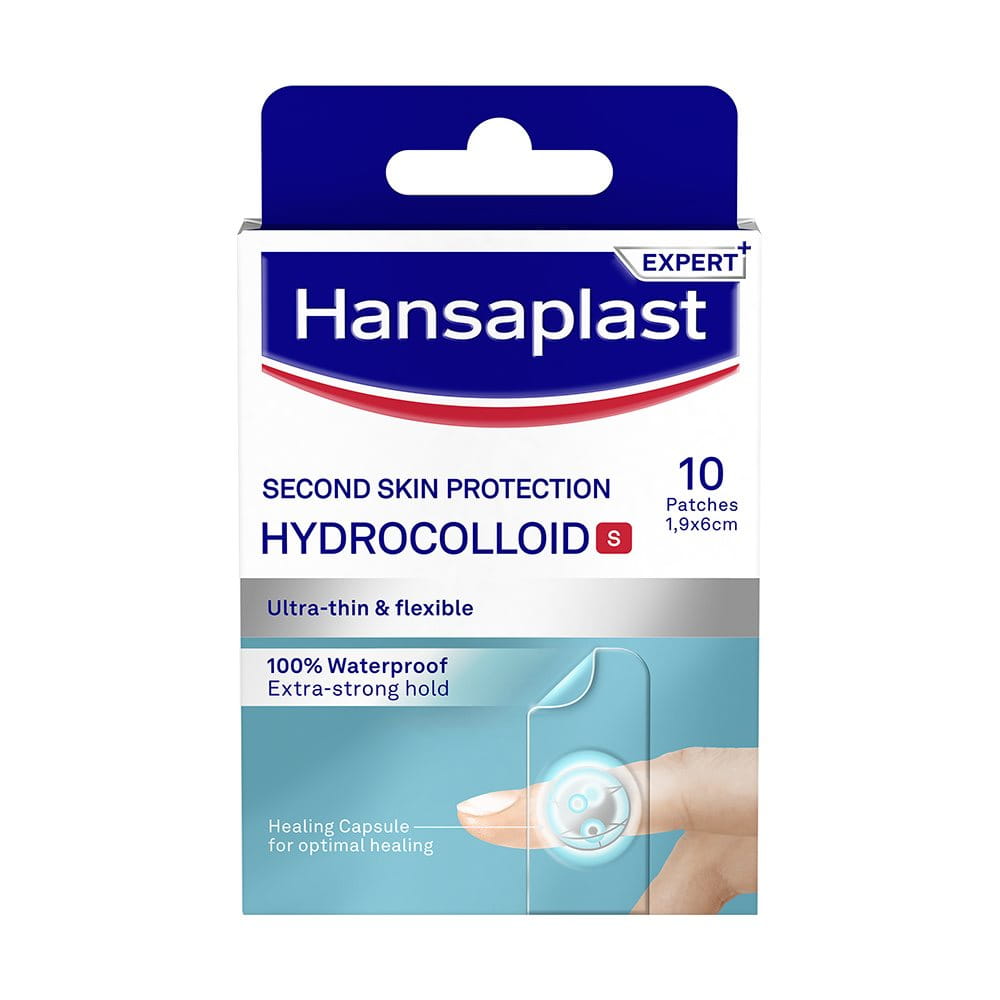
The Hansaplast Hydrocolloid Plasters are available in various shapes and sizes to suit different areas of the body – including knees, elbows, and fingers. The new Second Skin Protection Hydrocolloid Plaster S has been specially designed to provide a secure and discreet fit for hands and fingers, making it ideal for treating small cuts or scrapes–even in high-movement areas. These hydrocolloid plasters are ultra-thin, 100% waterproof, and provide extra strong adhesion for areas in constant use. The plaster forms a soft gel cushion, protects like a second skin, and stays comfortably in place – even when washing hands, typing, or gardening. Supplied in hygienic single pouches, the small plaster  ideal for fingers – is both practical and discreet.

How to apply your Hansaplast Hydrocolloid Plaster

Application of Hansaplast Second Skin Protection Hydrocolloid Plaster

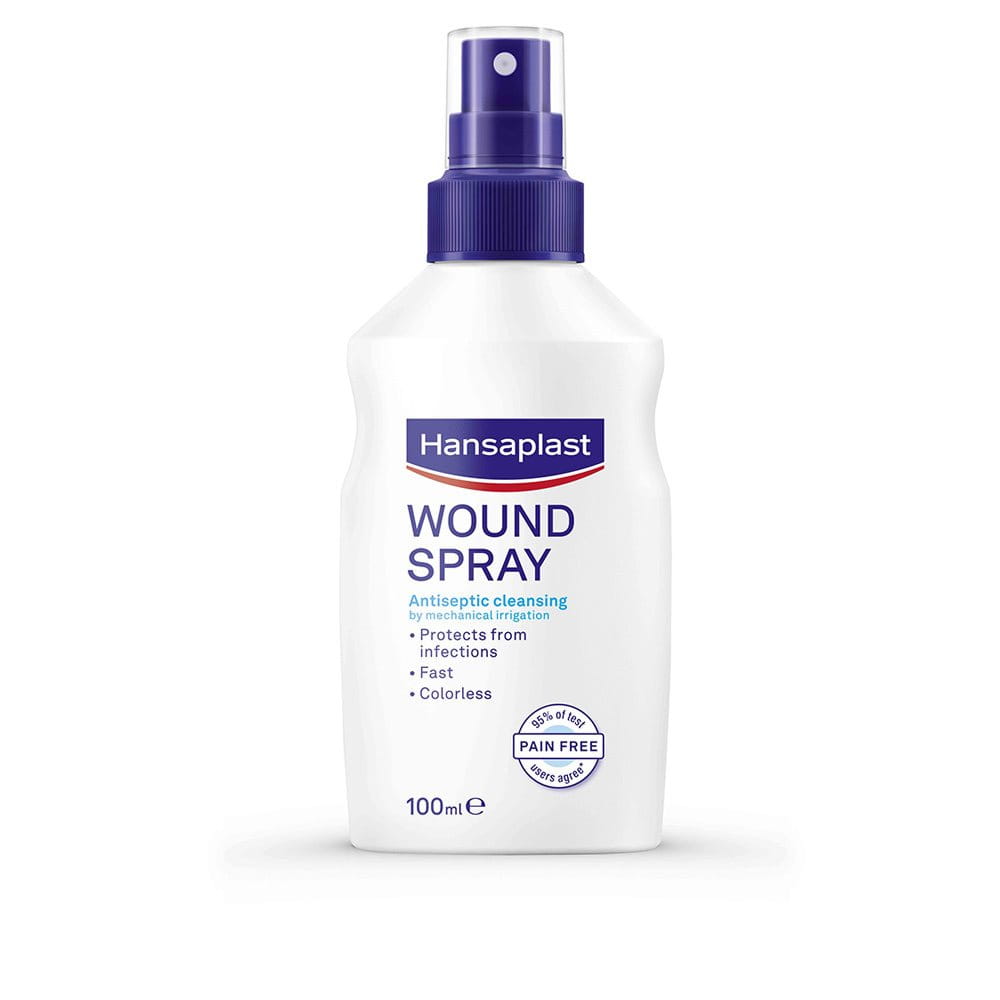
Stop the bleeding, cleanse the wound e.g. with a Hansapast Wound Spray, and gently dry the skin thoroughly. To ensure that the plaster adheres properly, do not apply any creams or ointments.
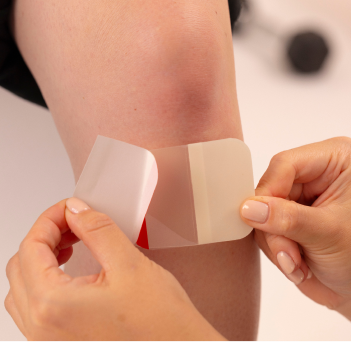
STEP 1: Stop the bleeding and cleanse wound. Remove the paper foil and apply the plaster directly on the wound.
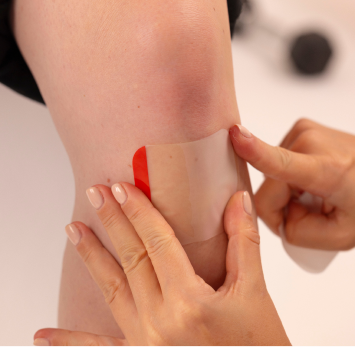
STEP 2: Press the plaster on firmly, ensuring edges are properly sealed.
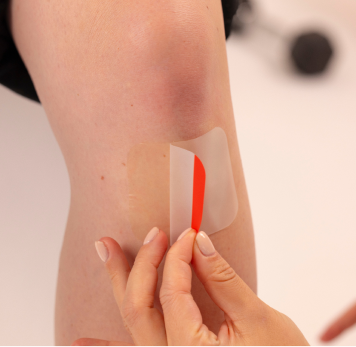
STEP 3: Remove application foil marked in red.

Application of Hansaplast Second Skin Protection Hydrocolloid Plaster S on a finger

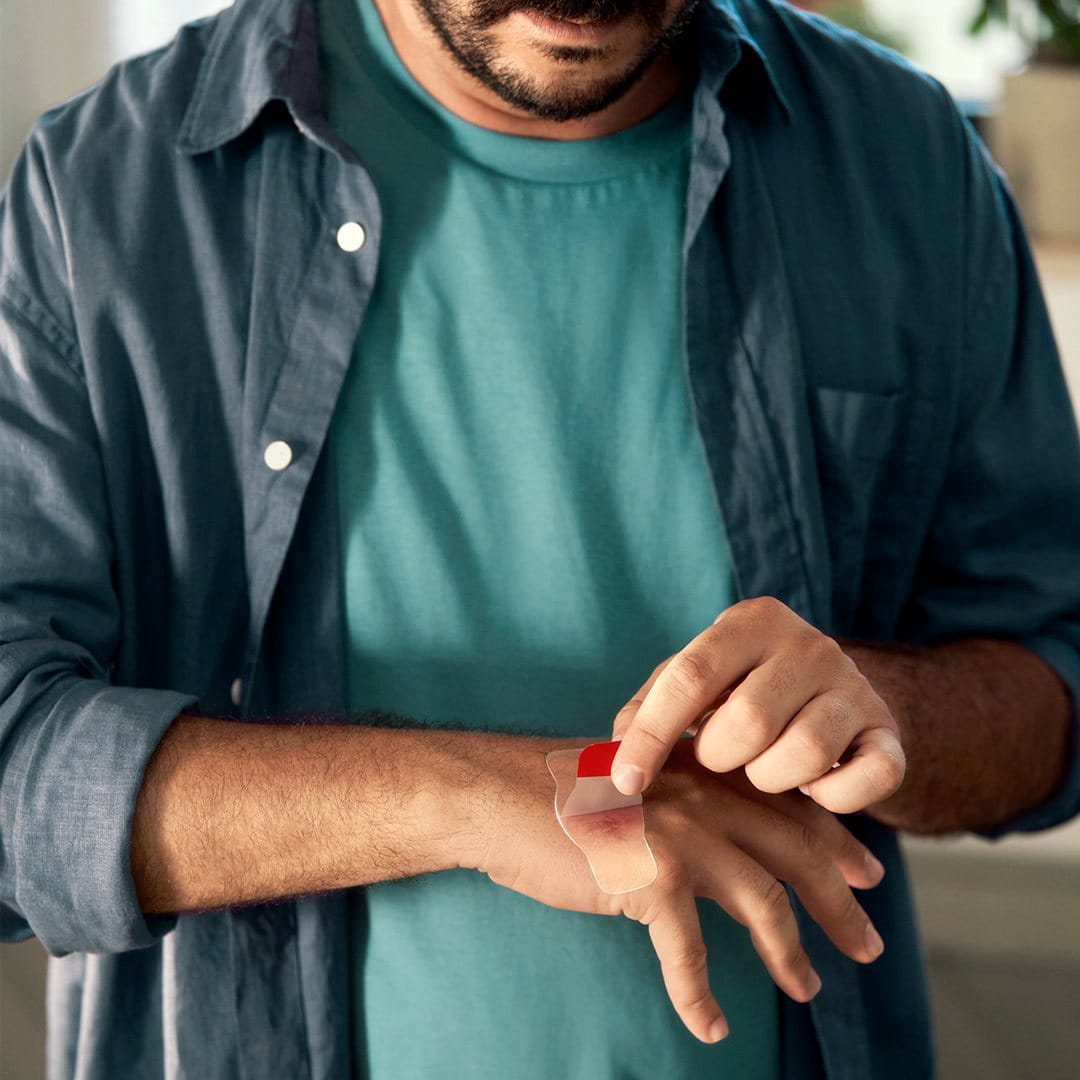
For use on the finger first remove the application support foil indicated by the red mark.

Remove the white paper foil and apply directly on the wound. Ensure the plaster is not uncomfortably tight, blood flow is not restricted and remove the plaster if you experience any numbness & tingling.

Press the plaster on firmly, ensuring the edges are properly sealed.

How to remove your Hansaplast Hydrocolloid Plaster

Leave the hydrocolloid plaster on until it starts loosening or the wound has healed.
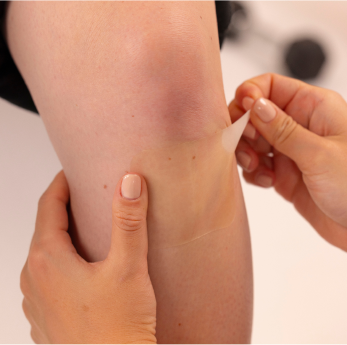
STEP 1: Gently lift an edge of the plaster.
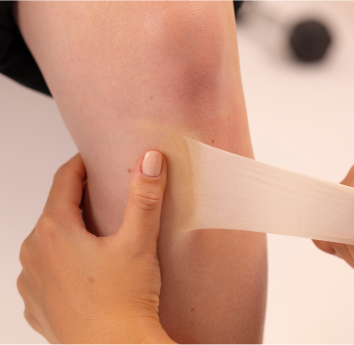
STEP 2: Grab the edge and stretch the plaster sideways, so the plaster lifts off.
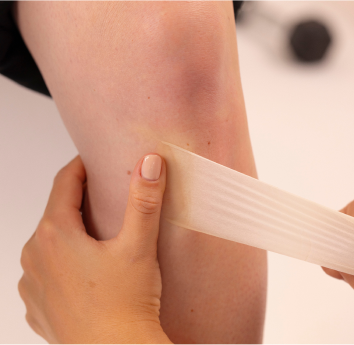
STEP 3: Keep on stretching the plaster until it is fully removed.

Frequently asked questions about Second Scin Protection Hydrocolloid Plasters

  • Do moist wounds heal faster or dry?

    Scientific research has shown that an ideal moist wound environment supports faster healing compared to a dry one. Moist conditions prevent the formation of hard scrabs and reduce the risk of infection and scarring. Wounds heal better when covered with a plaster that creates a protected moist environment, like hydrocolloid plasters from Hansaplast.

    If you have a wheeping wound please seek medical advice for proper treatment

  • What is a hydrocolloid plaster and how does it work?

    Hydrocolloid plasters are advanced wound dressings made of a special material composed of macromolecules that form a viscous gel when in contact with wound exudate. This gel cushions the wound and creates optimal conditions for healing. The Hansaplast Second Skin Protection Hydrocolloid Plasters are based on hydrocolloid technology, promote faster healing, provide an extra-strong hold and are ultra-thin and flexible.
  • How long can I leave a Second Skin Protection plaster on?

    The Hansaplast Second Skin Protection Hydrocolloid Plasters are designed to stay on the wound for several days. You can leave them in place until the plaster starts to loosen or until the wound has healed.
  • Can I use Hansaplast Hydrocolloid Plaster on joints or fingers?

    Yes – the Second Skin Protection Hydrocolloid Plaster are available in different shapes and sizes, making them suitable for difficult-to-dress areas like knees and elbows. The new Second Skin Protection Hydrocolloid Plaster S is especially suitable for hands and fingers, offering a strong hold and a second skin feel – even during handwashing or other everyday tasks.
  • How do Second Skin Protection plasters compare to standard plasters?

    The priority of wound care is to keep a wound as clean, germ-free, and protected as possible. Hansaplast standard plasters shield the wound from dirt and bacteria thus protecting from infection and enabling undisturbed wound healing. Second Skin Protection Hydrocolloid Plasters additionally support the healing process by creating moist healing conditions.
  • Why does the wound appear yellowish when using hydrocolloid plasters?

    The yellowish appearance during the use of hydrocolloid plasters is normal. It is caused by the formation of the healing capsule – a moist, gel-like bubble that forms when the hydrocolloid material absorbs wound exudate. The color and smell of the gel should under no circumstances be mistaken for pus. They are not a sign of infection, but an indication that the dressing is actively supporting the healing process. Typical signs of infection are e.g., redness, heat or pain – if in doubt, remove the plaster and seek medical advice.
  • Can I shower or bathe with a Second Skin Protection Hydrocolloid Plaster on?

    Yes. All Hansaplast Second Skin Protection Hydrocolloid plasters – including the S-sized Finger Plaster – are 100% waterproof. They are designed to stay securely in place during daily routines like showering or bathing, continuing to protect the wound.

Disclaimer:

The content on this website is for general information only and cannot replace professional medical advice or treatment. If a wound is deep, heavily bleeding, shows signs of infection, or cannot be cleaned, please consult a doctor. Always follow the instructions for use of our products. For further questions, contact a healthcare professional or reach us at Hansaplast@Beiersdorf.com / 040 4909 7570 (Mon–Fri, 8 a.m.–6 p.m.).

1 Nuutila K, Eriksson E. Moist Wound Healing with Commonly Available Dressings. Adv Wound Care (New Rochelle). 2021 Dec;10(12):685-698.

DISCOVER OUR NEXT GENERATION PLASTER: SECOND SKIN PROTECTION